

FILM REVIEW · FIRAS SAMEER
Disclosure Day: Could Spielberg’s Film Be Preparing Us for Something?
A personal reading of the film’s direction, information design, UAP themes, and an ending that left me with a question rather than an answer.
There are films I watch as a filmmaker, where I instinctively focus on direction, camera movement, scene construction, screenplay and rhythm. Then there are films that pull me into a subject I already know something about, and the viewing experience becomes completely different.
Disclosure Day was both for me.
Before I begin, there is one point I always want to make clear about the way I write film reviews:
I do not read reviews of a film before writing my own opinion, I do not look up critics’ views or other people’s analyses, and after watching the film I do not listen to or read reviews before writing.
I prefer to let my experience with the film form on its own, then write my impressions and analysis exactly as they reached me, before I know what anyone else has said.
That matters to me because I want what I write to come from my own experience with the film, one hundred percent, not from being influenced by another critic’s opinion or an interpretation I happened to read somewhere.
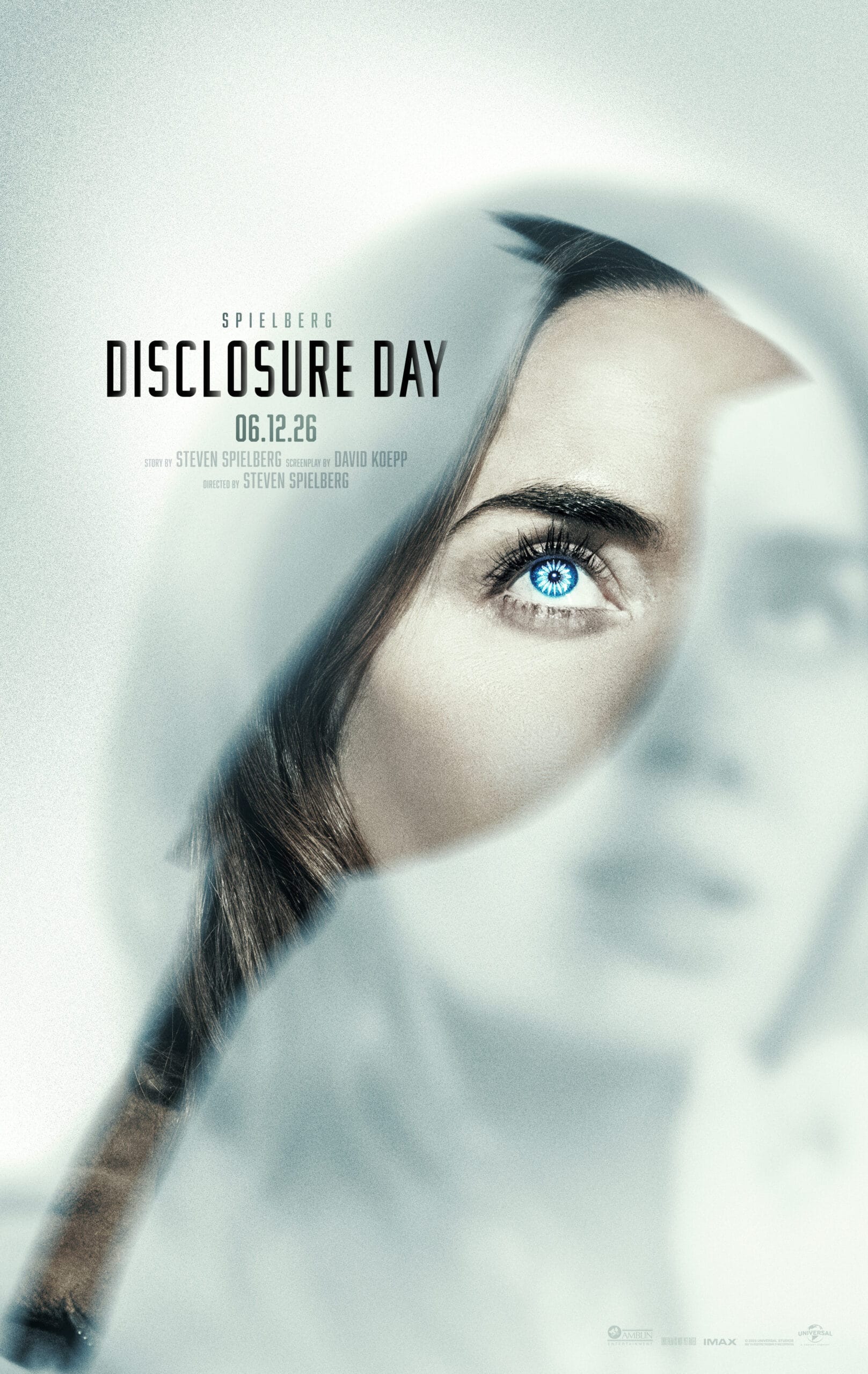
The film, directed by Steven Spielberg, runs for around two hours and twenty-five minutes. Yet once it really begins to open its cards, I never felt that length becoming a burden.
One of the things I appreciated most is the way Spielberg controls information. At first, you do not really know what is happening. Characters appear, events unfold, behaviour seems difficult to understand, and there are more questions than answers.
The opening can feel slow or slightly disorienting, but I would not call it boring, because the film never gives you permission to leave it. You want to know: Who are these people? What connects them? Why are these things happening?
The screenplay does not answer immediately, and that is one of the things I liked. Information arrives gradually. Sometimes you think you understand where a character sits within the story, then a later piece of information forces you to reconsider what you saw earlier.
The element of surprise is there, but it is not a manufactured twist designed simply to tell the audience, “I fooled you.” There is construction, and there is clear timing in the release of information.
As the film approaches its middle and moves beyond it, pieces that looked unrelated at first begin to connect, and this is where the film becomes much more gripping.
Official Trailer
Spielberg does not move the camera just to show off
One of the things that caught my attention most, as a director, was the camera movement in several scenes.
There is a big difference between moving the camera because you can execute a beautiful, complex movement and moving it because that movement has an actual dramatic function inside the scene.
In Disclosure Day, I found several examples of the second kind. The camera is not moving simply to create a beautiful shot. There is intent.
Sometimes movement reveals information. Sometimes it hides it until the right moment. Sometimes it makes you feel something before you understand why.
In some scenes I even found additional symbols or meanings in the choice of camera position and the way the camera transitions through the space.
This is the kind of directing I enjoy because it does not announce, “Look at the director’s brilliance.” Instead, the directing disappears into the story.
I think that is one of Spielberg’s major strengths here. He knows when to move, when to stay still, when to let you see something and when to deny it to you. The visual style is not separate from the screenplay; it becomes part of it.
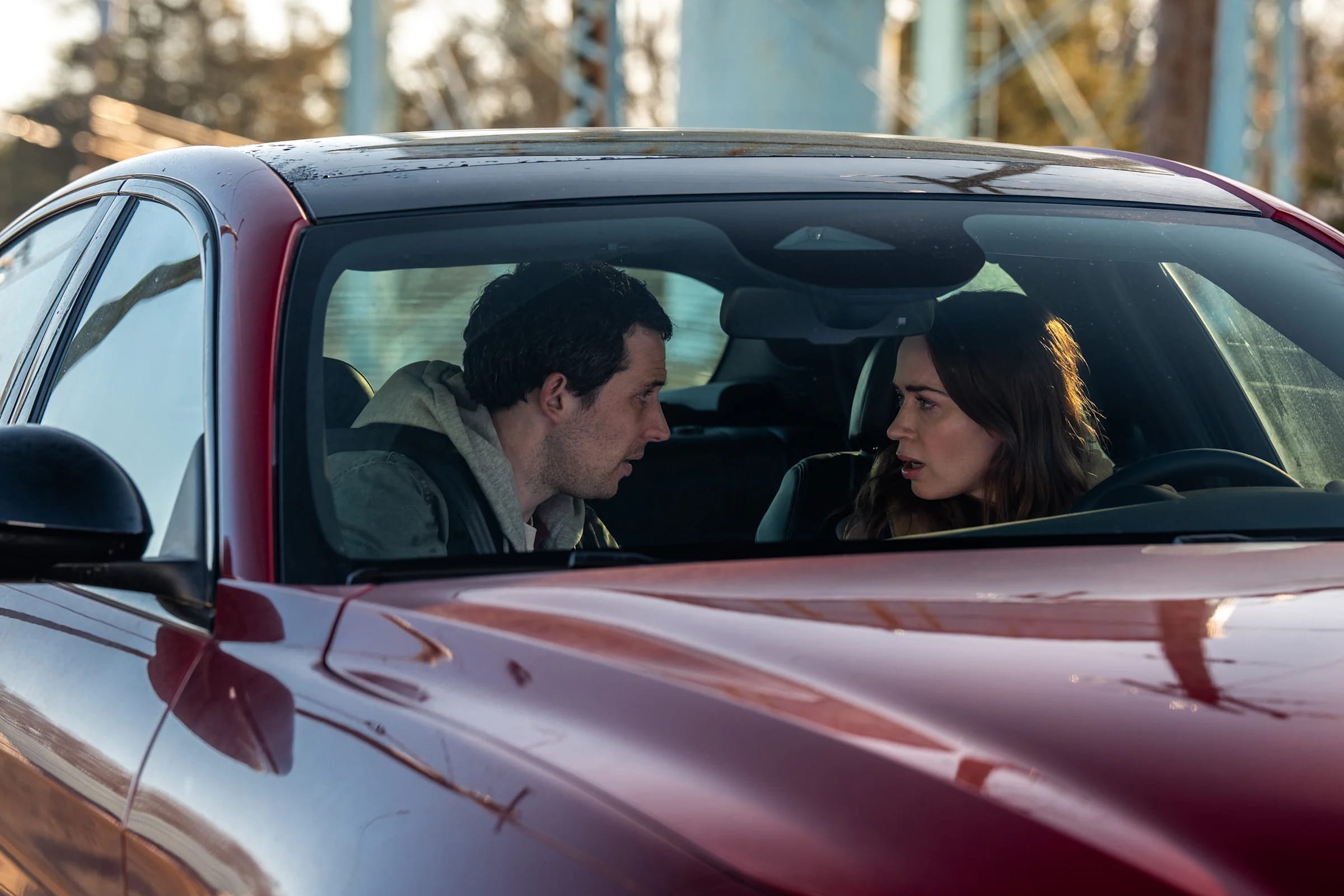
My experience with the film may not have been the same as most viewers
This is a very personal point for me.
For a long time I have been interested in the question of life beyond Earth, UAP, and testimonies involving encounters or phenomena that witnesses said were connected to non-human beings.
To be clear: I am not talking about superstition, and I do not treat every strange story as fact.
Personally, I think the existence of intelligent life beyond Earth is entirely logical in a universe of this scale. Over the years I have also read and watched a large number of testimonies and incidents described by people who said they experienced them themselves, alongside the documents, materials and modern public discussion surrounding the subject.
That does not mean all of these accounts are scientifically proven. It does not mean every person who tells a story should be believed. But I know this subject well, and that changed my experience with Disclosure Day.
I noticed things that another viewer might simply read as cinematic inventions. At certain moments I found myself thinking: I know where this idea could have come from. Or: I have read a description similar to this before in a testimony or case connected to this subject.
Because of that, I felt my prior background gave me an advantage in catching some of the signals and details and understanding them more quickly while watching.
Not because I knew what would happen, but because certain symbols, concepts and patterns in the construction of events were more familiar to me.
I think someone who has already spent time reading historical cases and testimony related to this subject may experience the film differently from someone who enters it simply as science fiction. That was exactly my experience.
Spoiler warning: from this point onward I cannot explain why certain parts affected me without discussing major events and the ending.
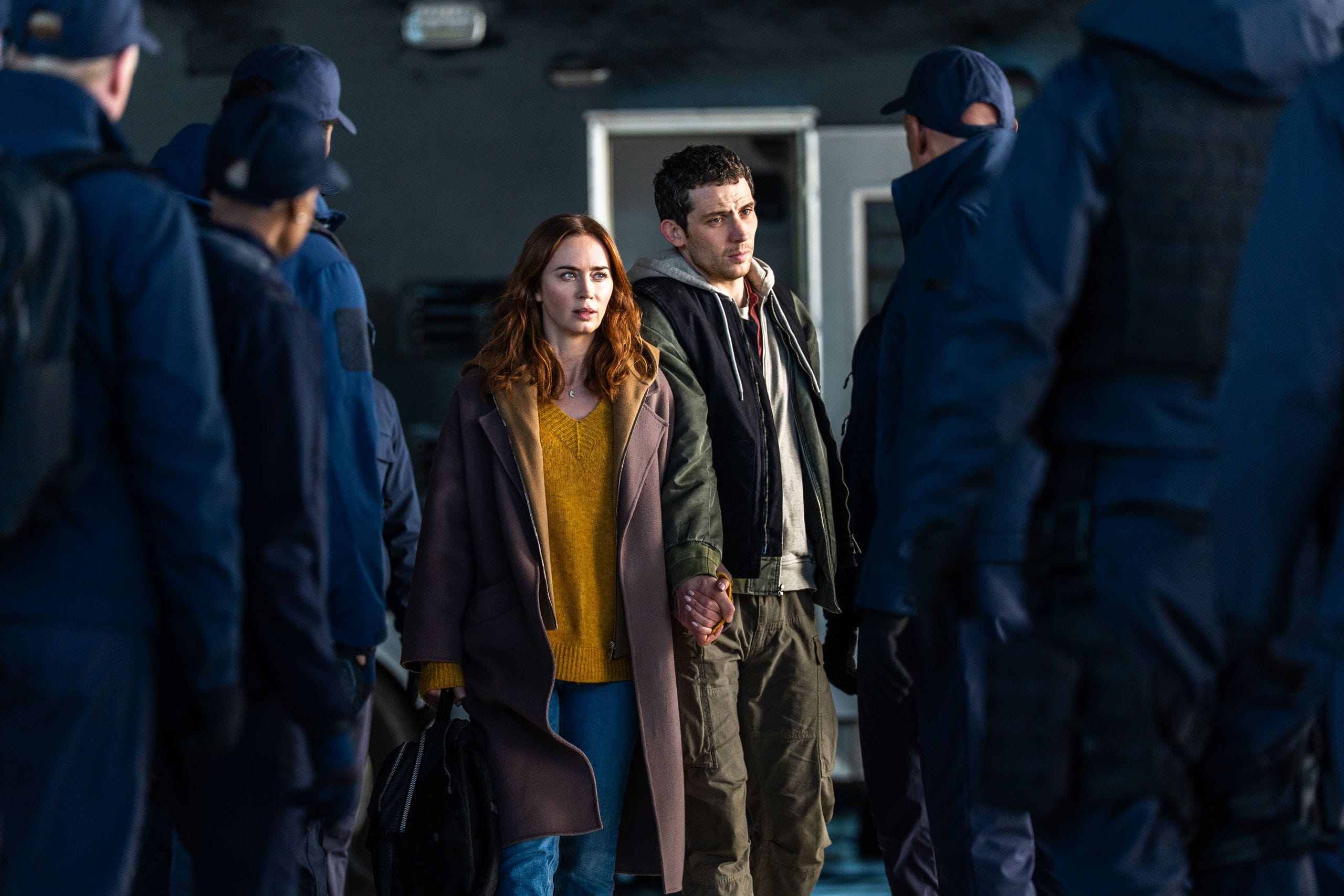
SPOILERS
Once the film reveals the truth of what is happening in its final stages, the most interesting layer begins for me.
A number of details involving the beings, the method of communication and some of the phenomena surrounding them did not feel like completely disconnected science-fiction inventions. They felt close to ideas I had encountered in years of testimony and stories surrounding alleged encounters.
There are people throughout modern history who have described meetings they said involved beings from beyond Earth, and they have spoken about phenomena that are difficult for our normal frame of reference to process: ways of appearing and disappearing, different forms of communication, a perception of place and time unlike ours, and other experiences I do not want to turn this article into a catalogue of.
Again, the existence of those testimonies is not proof that what the witnesses described actually happened in the way they understood it.
What interested me is that the film uses ideas that sit surprisingly close to this pre-existing body of stories. That is why, for me personally, the distance between science fiction and things I had already read became narrower.
At moments I did not feel I was watching a filmmaker invent a completely imaginary model for how humans might interact with a non-human visitor. I felt he was sometimes taking material that already exists within encounter literature and reshaping it dramatically inside the world of the film.
Why hide the truth?
Another important idea the film explores is the reason information like this might not be disclosed to the world.
It goes beyond the simple idea that “the government wants to hide a secret.” The question is deeper.
What happens to society if humanity suddenly learns there is non-human intelligence? What happens to belief systems? Religion? Philosophy? The place humanity has assigned itself in the universe?
Would some people look at these beings as gods? Would new belief systems appear? Would established concepts collapse? Could social, political or psychological instability follow?
Raising these questions does not mean the film offers scientific answers, but it makes the idea of Disclosure itself more interesting than the simple question, “Do aliens exist or not?”
The question becomes: If a truth of that magnitude existed, would human society be psychologically ready to receive it all at once?
I found that part of the film intelligent.
But the final scene is what stayed with me most
For me, the ending is excellent.
After the disclosure, the non-human being appears and communicates its message to Daniel. Daniel understands it, then passes it to Margaret.
Margaret turns back to the camera. The way the moment is framed made me feel that she was no longer speaking only to the people watching her on television inside the world of the film.
For me, in that exact moment, the film steps outside its own internal reality and turns toward us: the actual viewer, the person sitting in front of the screen in our world.
Then she says one word: Listen.
And the image ends.
For me this is more than an elegant open ending. I felt that the word was aimed at us.
Margaret no longer felt like a character speaking to fictional television viewers inside the story. She became a vehicle through which the director addresses the real audience outside the film.
Listen.
That is what made the ending stay in my mind, because it opens a strange emotional possibility: perhaps what we are being asked to listen for is not necessarily the next chapter of a cinematic story, but something that could come from our own reality.
I am not saying that this is definitely what the film means. But it is exactly what I felt while watching that shot.
Could the film be preparing us for something?
That is the question I personally left Disclosure Day with.
It may simply be my own feeling, but I do not want to ignore it.
Is the film simply an excellent piece of cinema that chose a subject which has become more visible in public discussion? Absolutely. That is a very logical possibility.
Did Spielberg and David Koepp research dozens or hundreds of UFO/UAP stories and testimonies and use elements from them to build a world that feels convincing? That is also a logical explanation.
But another possibility kept pressing at me:
Could a film like Disclosure Day function as a kind of cultural or psychological preparation for something that may be revealed later?
I am not saying Spielberg possesses government secrets. I am not saying the film is an encoded announcement. I have no evidence that would justify saying either of those things.
I am asking a question.
Especially because the UAP subject is no longer confined to strange magazines or internet theories in the way it once was treated. It has reached official hearings, reports, investigations and government institutions that address it publicly.
That makes the timing of a film of this scale, from a director like Spielberg, with this level of detail, interesting to think about.
Perhaps the more interesting question is not: Does Spielberg know something?
But rather: Why did he choose to say this now, and in this way?
There may be no larger answer than that he found a great story and wanted to make it. That is entirely possible.
But for me, the ending does not close the question. It does the opposite. It opens it.
In the end
Leaving all speculation aside, I think Disclosure Day is an extremely intelligently made film.
The plot, the way characters are revealed, the distribution of information, the pacing, the camera movement and the way directing serves the story rather than displaying itself are all things I enjoyed very much.
I also know my experience with the film was not completely neutral. I entered it carrying years of interest and reading about life beyond Earth, UAP testimony and accounts involving non-human intelligence.
So while another viewer may see pure science fiction in some scenes, I sometimes saw echoes of things I had read before. That made me engage with it more, made certain details reach me faster, and made me search for meaning behind moments another viewer may pass over.
Does that mean what the film suggests is real? Of course not.
Do I personally believe we are alone in this universe? No, I do not.
The harder question is: if we are not alone, what do we actually know? What do we not know? And are there things we may eventually be told?
I do not know.
But when the film ended on a single word, I did not feel it was directed at the television audience inside the film.
I felt it was directed at us, the real viewers outside the screen.
As if the director, through Margaret, was not only telling the characters in his story to listen.
He was telling us too:
Listen.