

FILM REVIEW · FIRAS SAMEER
Oppenheimer — A Cinematic and Critical Review
Before I begin, there is one point I always want to make clear about the way I write film reviews:
I do not read reviews of a film before writing my own opinion, I do not look up critics’ views or other people’s analyses, and after watching the film I do not listen to or read reviews before writing.
As a director and filmmaker, I may approach a film differently from the average moviegoer because I naturally pay close attention to the craft behind filmmaking, in addition to the story, screenplay, plot and performances.
After watching Oppenheimer, my feeling was that it would not necessarily be the easiest film for viewers seeking a conventional action, war or historical movie. It is much closer to the kind of cinema Christopher Nolan often creates: dense, layered and demanding concentration, and perhaps rewarding a second viewing.
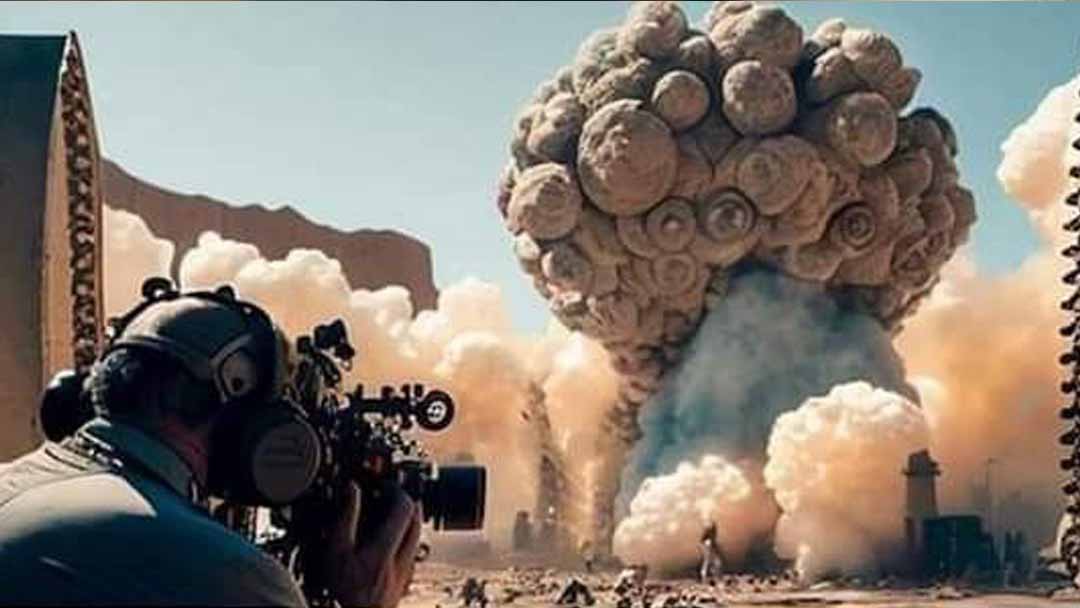
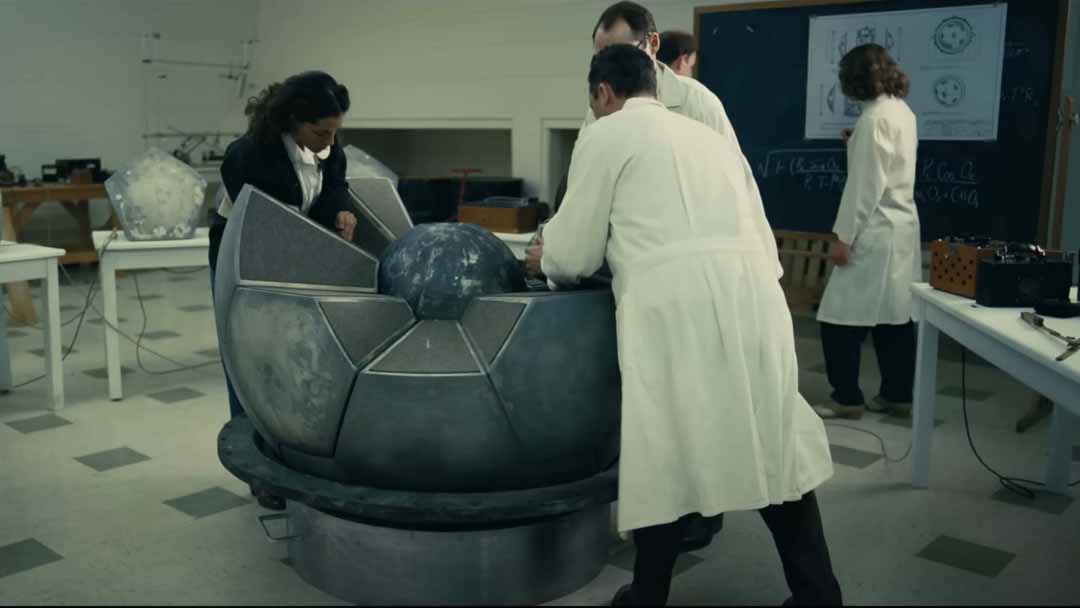
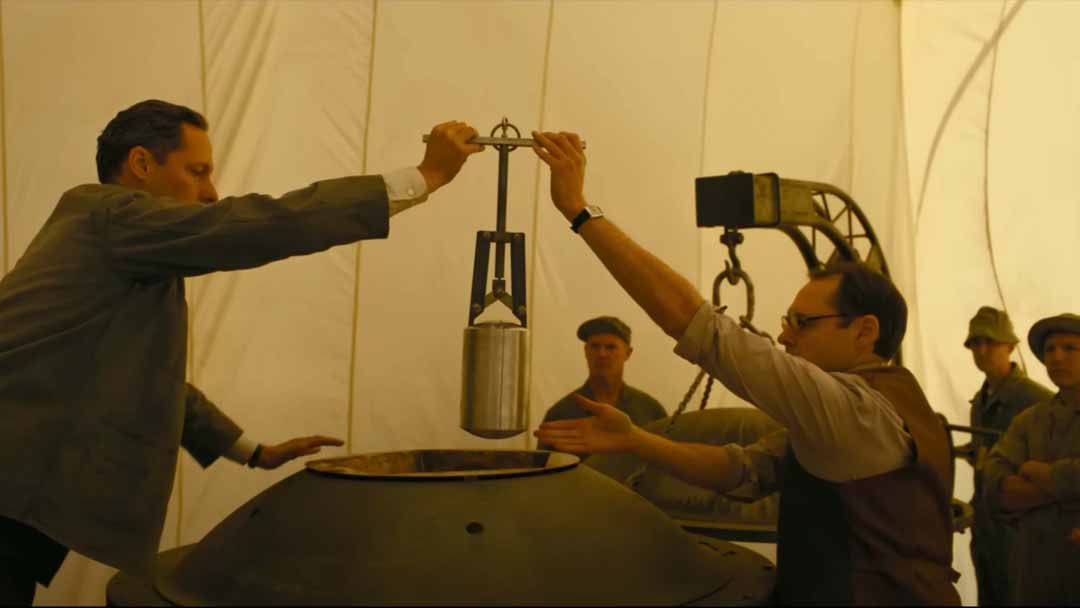
One of the production details that impressed me was Nolan’s emphasis on practical photography and physical effects for the film’s large-scale visual material, rather than relying on conventional CGI spectacle. For me, that choice adds artistic and production value beyond simple cost.

Story, Time and Performance
The film is a biographical drama whose events are distributed across different periods of time, a structure Nolan handles with confidence. Cillian Murphy carries the film as J. Robert Oppenheimer, supported by a major ensemble that includes Florence Pugh, Robert Downey Jr., Emily Blunt, Rami Malek, Matt Damon and others.
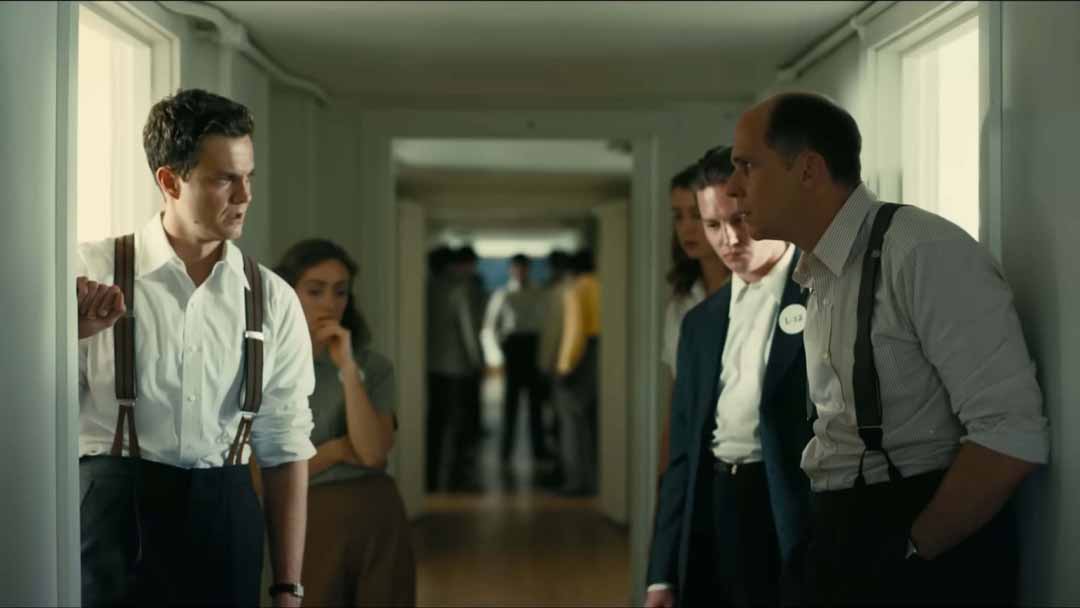
What interested me was not only the scale of the cast but how the screenplay uses each conversation, hearing and confrontation to deepen the central character and the political machinery surrounding him.
Sound Against Image
Nolan creates a deliberate contradiction between what we see and what we hear. In moments when Oppenheimer appears to have achieved a major scientific success and the people around him celebrate, the music can make the same moment feel like the arrival of disaster rather than victory.
I found this contradiction extremely effective. The image may suggest triumph while the sound tells us that something darker has already begun.
Symbols of War and Destruction
Another visual and sonic symbol I found powerful is the repeated rhythm of feet striking the ground like drums of war or the approach of danger. The film uses this sensation in more than one place to move us closer to Oppenheimer’s internal anxiety.
One of the clearest examples comes when public celebration collides with his private horror. The room celebrates him, yet the sound design and subjective images transform the moment into something psychologically violent. The cheering can disappear, the impact of the explosion can remain, and the walls and faces become part of his guilt rather than simply part of a victory speech.
For me, this is where Nolan’s direction is at its strongest: the external event and the internal event are allowed to contradict each other.
The Screenplay
Nolan’s familiar nonlinear structure brings several periods, investigations, hearings and personal conflicts together around the same central story. The viewer has to pay attention, but that concentration is part of the experience rather than a flaw in it.
In my opinion, the screenplay and dialogue are among the film’s greatest strengths. The conversations are not filler; they continuously reshape our understanding of Oppenheimer, his choices and the people trying to use, defend or destroy him.
For viewers who enjoy Christopher Nolan’s cinema and films that reward attention, I consider Oppenheimer a major cinematic achievement.
Written by Director
Firas Sameer